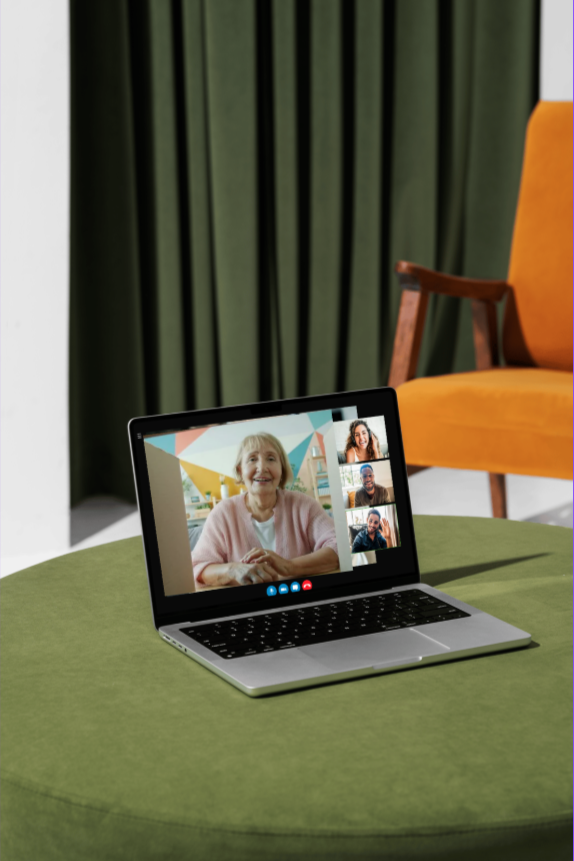
Caregiving can be exhausting, isolating, and emotionally complex. Register for our free virtual caregiver support circle facilitated by caregiving, grief, and end-of-life support specialist. This ongoing bi-weekly drop-in group offers caregivers a supportive space to pause, reflect, connect, and receive support from others who understand the realities of caregiving.
Each session includes grounding practices, participant check-ins, facilitated discussion and reflection around a caregiving-related theme, opportunities for group support and shared wisdom, and a closing nervous system regulation practice. Some sessions focus more on practical caregiving challenges, while others center emotional wellbeing, stress, grief, burnout, identity, resilience, and self-compassion.
This group is open to anyone caring for a loved one, including parents, partners, children, grandparents, family members, or friends. Join once or return regularly, no commitment required.
REGISTER HERE
When: 2nd & 4th Wednesdays from 9am PT / 11am CT / 12pm ET
Format: Virtual, drop-in (Zoom link provided at registration)
Cost: Free
Facilitated By: Sarah Rubens, CMS-CHt, FIBH
Facilitator Bio:
Sarah Rubens’ work in grief, caregiving, and end-of-life support has been shaped by both personal experience and years working in the aging space. After spending years caring for her grandmother and navigating profound personal loss, she developed a deep understanding of the emotional and relational complexities caregivers often carry. In addition to her one-on-one work, she has facilitated grief groups, caregiver groups, and workshops.
Sarah is a certified grief coach, clinical hypnotherapist (CMS-CHt), Fellow of the International Board of Hypnotherapy (FIBH), and trained end-of-life doula. Through coaching, hypnotherapy, and group facilitation, she integrates emotional support, nervous system regulation, and reflective practices to support caregivers navigating stress, grief, burnout, and life transitions.
Note: This group is a facilitated space for reflection and connection around caregiving. It is not therapy or a clinical support group, and is not a substitute for mental health treatment.


.jpg)

.jpg)